
How Automated Coverage Reduces Overtime Without Cutting Hours
Overtime often results from delayed coverage, not staffing shortages. Learn how automated shift call outs reduce reactive overtime without cutting hours or flexibility.
Why Group Texts Fail at Scale (And What Actually Works Instead)
Group texts work for small teams but fail as schedules grow more complex. Learn why they break down and how automated coverage provides a calmer, more reliable alternative.
What Happens After a Sick Call: The Hidden Work Managers Do Every Day
After a sick call, managers take on hours of invisible coordination work. Learn how automation removes repetitive tasks and helps managers stay focused, calm, and supported.
Why Long-Term Care Scheduling Breaks Down During Sick Calls
Sick calls are unavoidable in long-term care. What matters is how coverage is handled when they happen. Learn why manual scheduling breaks down during call outs and how automation brings stability back to the process.
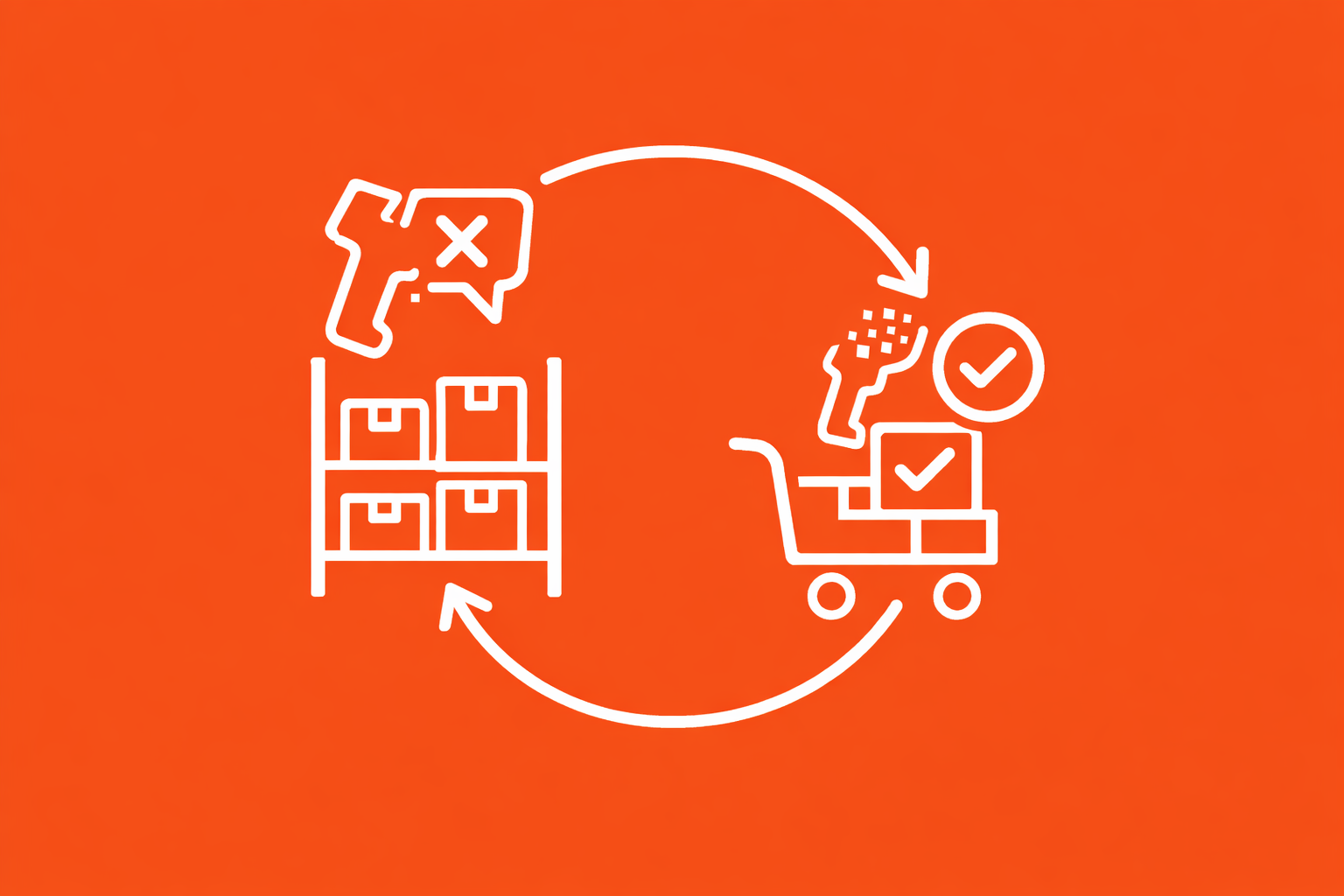
Why Shift Reminders Fail for Retail Stockroom Teams (And How Automation Fixes It Quietly)
Shift reminders often fail for retail stockroom teams. Learn how automation quietly keeps coverage reliable without extra coordination.
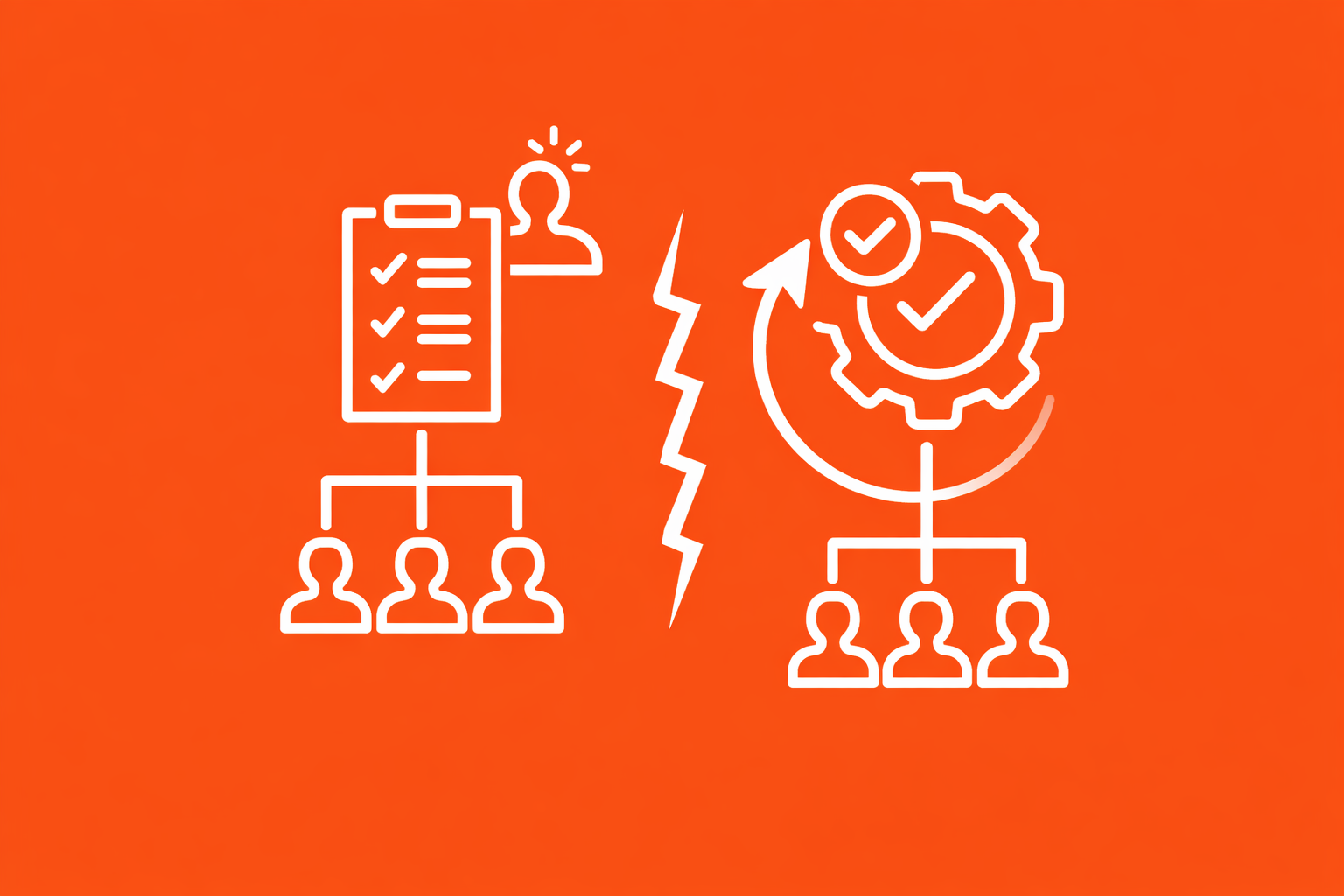
Manual vs Automated Shift Coverage: What Breaks First (And Why)
Manual shift coverage works until pressure hits. Learn what breaks first and why automation keeps coverage reliable.
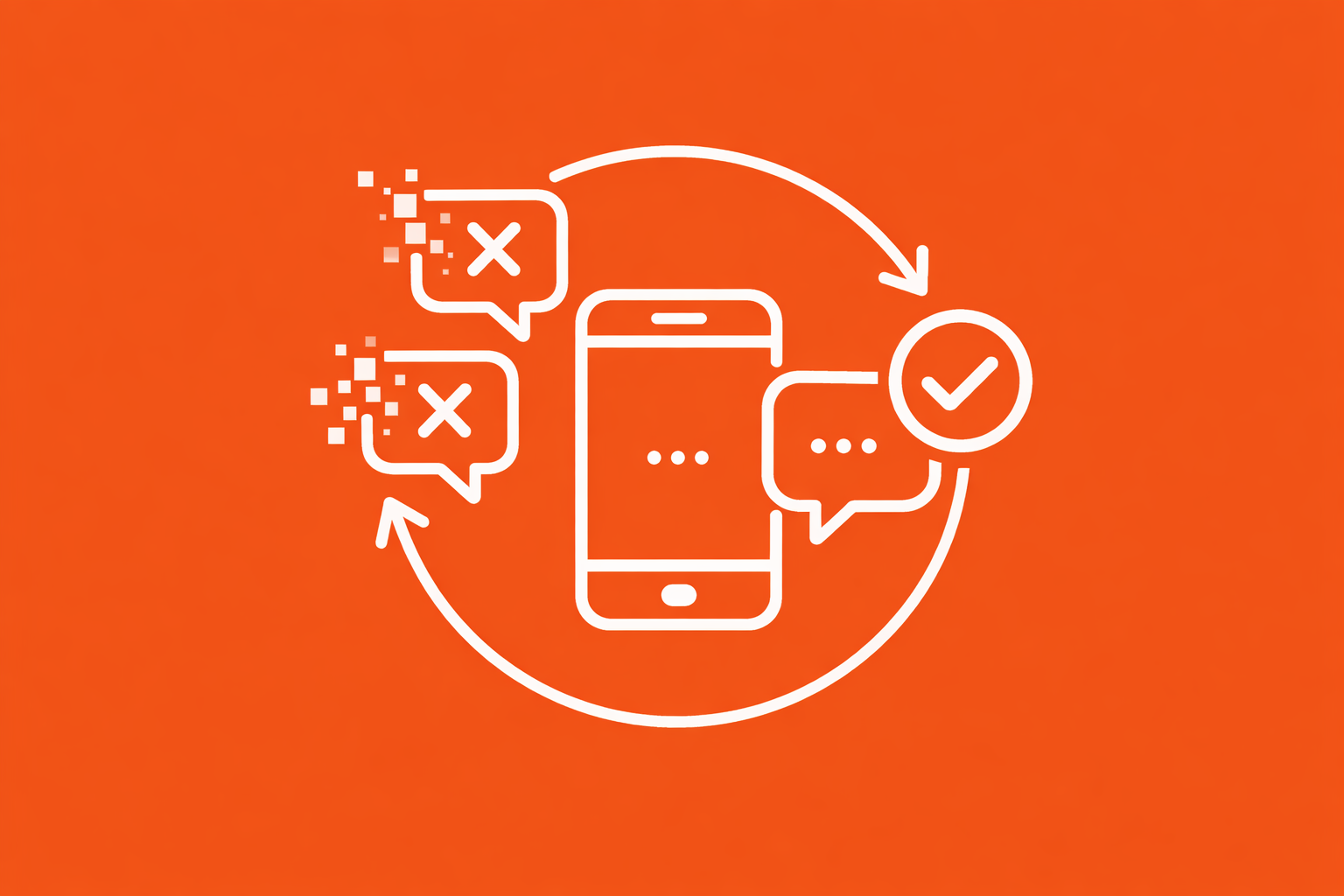
How to Automate Shift Call-Outs Without Group Texts or Phone Trees
Automating shift call-outs removes the chaos of group texts and phone trees. Learn how automation keeps coverage calm and reliable.

How Much Time Managers Waste Finding Coverage
Sick calls steal more time than most teams realize. See why manual coverage slows managers down and how automation brings their time back.

Shift Coverage Automation: What It Is and Why Teams Need It
Coverage should not stop the entire day. See how automation helps teams respond faster, reduce stress, and stay steady when shifts suddenly open.

How Security Teams Can Simplify Shift Coverage Without Compromising Reliability
Security work runs on trust and consistency. See how smart scheduling helps teams simplify coverage and stay reliable.

Holiday Rush or Organized Calm? Smarter Retail Scheduling Starts Here
The holidays don’t have to bring chaos. Learn how smarter retail scheduling helps teams stay calm, flexible, and fully covered.

Why Long-Term Care Scheduling Needs a Human Touch and Smart Automation
Long-term care scheduling requires empathy and structure. Learn why pairing human understanding with smart automation creates calmer teams and more consistent care.

Holiday Scheduling Made Easy: How to Keep Teams Covered and Calm
The holidays don’t have to bring chaos. Discover simple ways to keep your team covered and calm when scheduling gets busy.

The Psychology of Showing Up: What Really Drives Reliability at Work
Reliability starts with trust and meaning, not reminders. See what really drives consistency and accountability at work.

The ROI of Smarter Scheduling: How Automation Pays for Itself
Scheduling costs more than time. Manual coordination creates stress, errors, and hidden work. Learn how smarter scheduling automation pays for itself by reducing friction and restoring calm.

How to Handle Last Minute Shift Call Ins Without Burning Out
Last minute call ins don’t have to derail your day. Learn how automation helps handle shift coverage smoothly without burning out.

How Better Scheduling Improves Employee Retention
Better scheduling keeps employees engaged, reduces turnover, and builds stronger teams. Here’s how automation helps make it work.

Shift Scheduling Software: What to Look for Before You Buy
Not all scheduling tools are equal. Discover the must-have features to look for in shift scheduling software that automates coverage and reduces admin work.

5 Simple Ways to Cut Scheduling Stress
Juggling swaps, call ins, and last minute changes does not have to be overwhelming. Try these five quick wins to make scheduling smoother.

How to Reduce No Shows with Better Communication
Missed shifts drain time and morale. Here’s how better communication can cut no shows and keep your schedule reliable.